
Home | Golf complexes
golf
complexes
50 years of golf course construction expertise
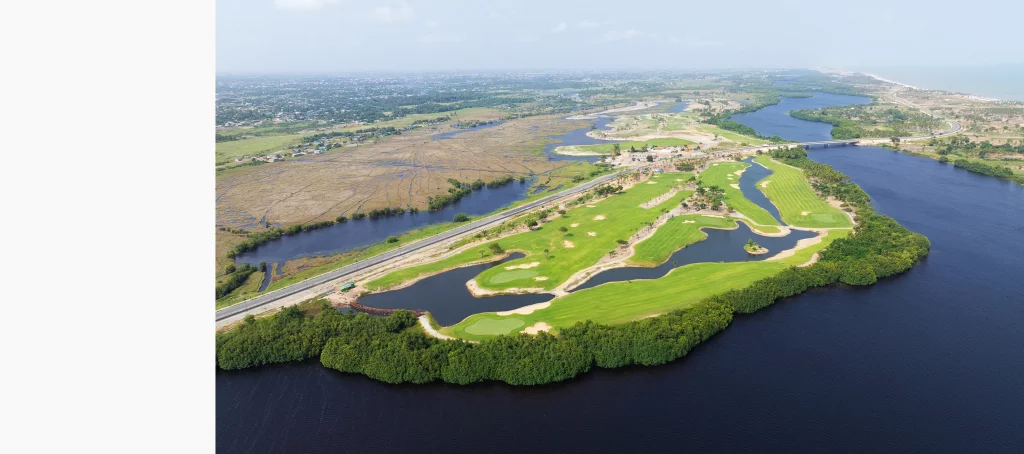
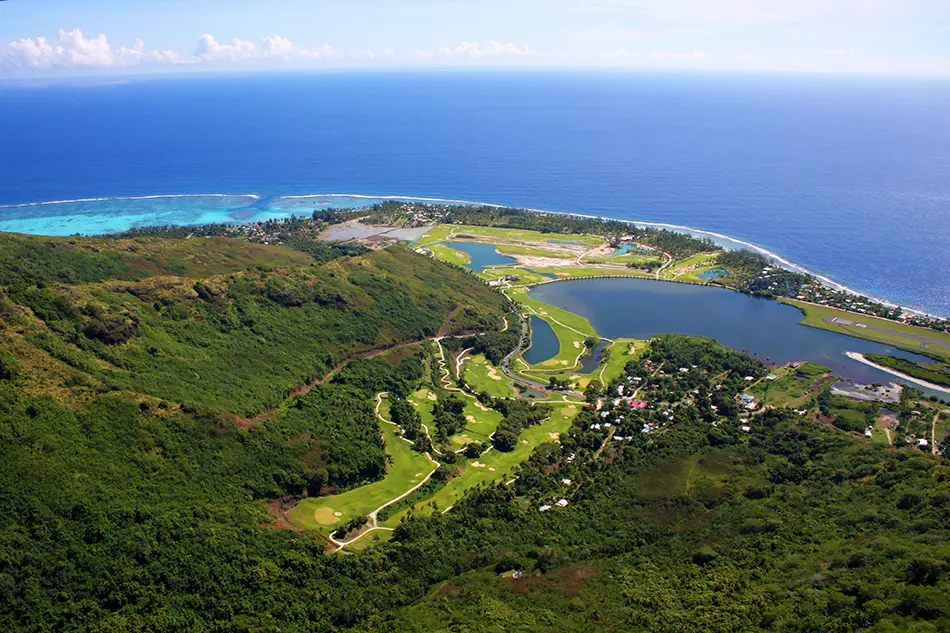
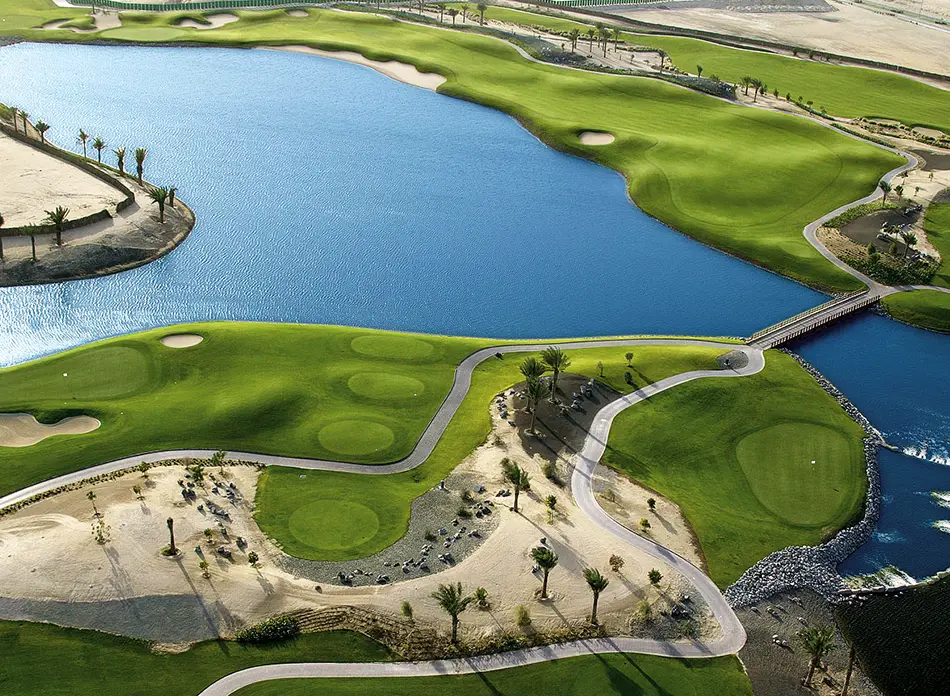
Gregori International brings high-end golf course construction projects to fruition, guaranteeing on-time and on-budget delivery. Gregori International’s technical teams will support and advise you throughout the construction process, right up to the completion of your project. With golf courses situated in some of the world’s most beautiful destinations, spread across the globe, Gregori International’s expertise is recognised by leading golf course architects.
Our services for
golf complexes
Preliminary and technical studies, carrying out the works, maintenance
Our project managers, golf course architects, civil engineers, landscape architects, surveyors, project leaders, site managers and turf experts bring their expertise to bear at every stage of the project. From preliminary studies, earthworks, levelling and drainage and irrigation works, through to the creation of nurseries, turfing, planting and maintenance works, Gregori International offers bespoke solutions for each project, tailored to the client’s resources and the architect’s requirements.
- Step 1: Earthworks
- Step 2: Drainage and water management
- Step 3: Shaping and substrate
- Step 4: Irrigation
- Step 5: Laying turf and monitoring growth
- Step 6: Construction of engineering structures

A great signature for a golf course brings added value in terms of quality and enjoyment of the game, but also in terms of prestige and attractiveness.

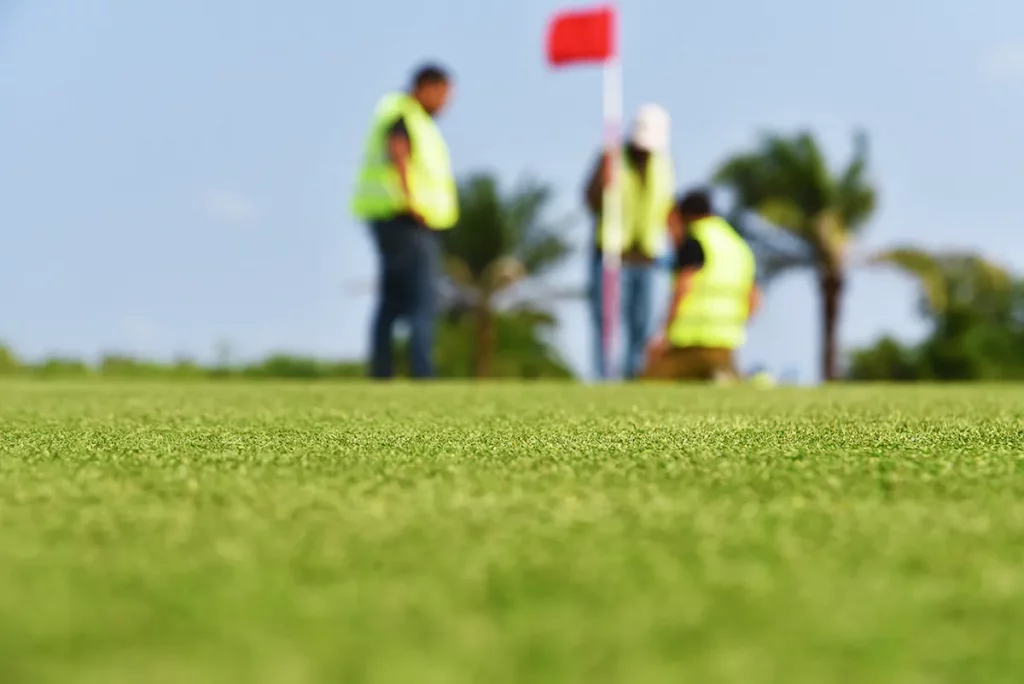
technical and environmental challenges
The construction of a golf course is based on a case-by-case approach, with your satisfaction as our priority.
- Preserving the environment and the ecosystem
- Respect for the natural beauty of the landscape
- Routing resources regardless of site constraints
- Optimising natural resources: soil restoration using natural, source-derived materials
- Solutions to problems of hydraulic ingenuity (optimization of irrigation systems)
- Selecting grass for optimal growth: Using native varieties, mycorrhization techniques
- Developing methods for using brackish water
Other projects
golf courses
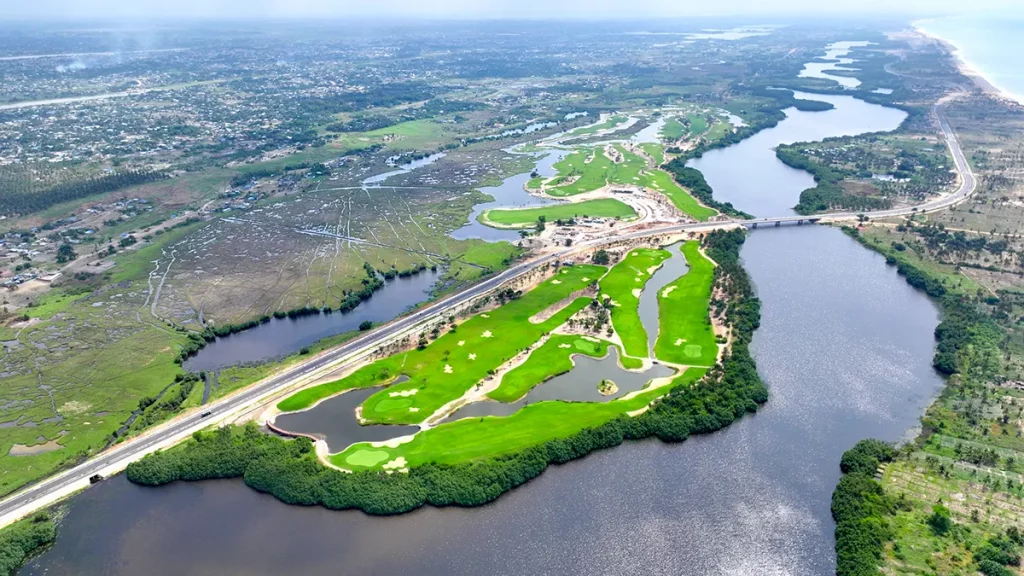
Gregori International brings high-end golf course construction projects to fruition, guaranteeing on-time and on-budget delivery. Gregori International’s technical teams will support and advise you throughout the construction process, right up to the completion of your project.
With golf courses situated in some of the world’s most beautiful destinations, spread across the globe, Gregori International’s expertise is recognised by leading golf course architects.
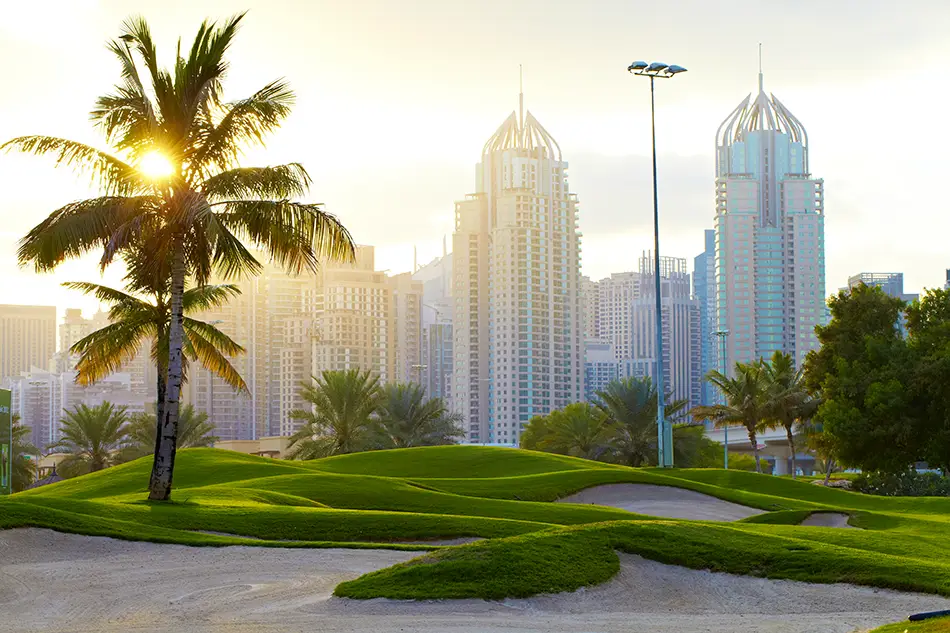
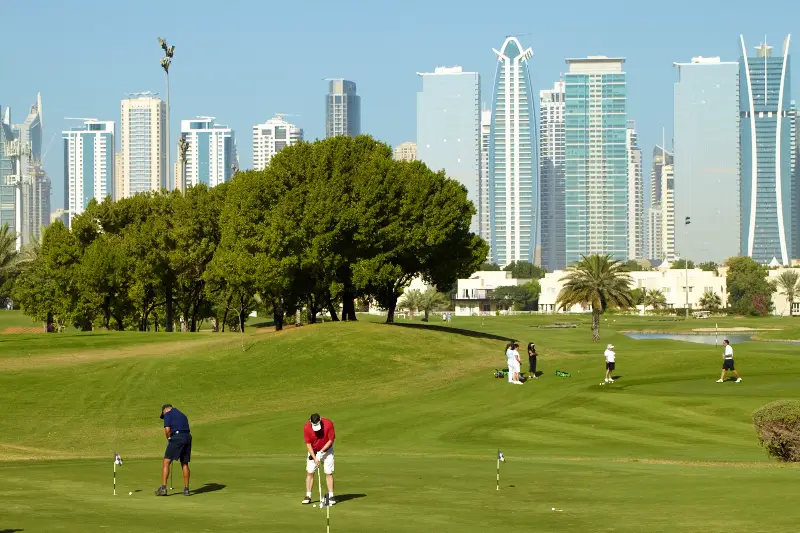
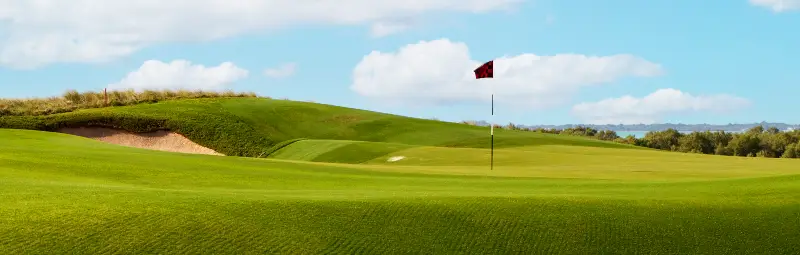
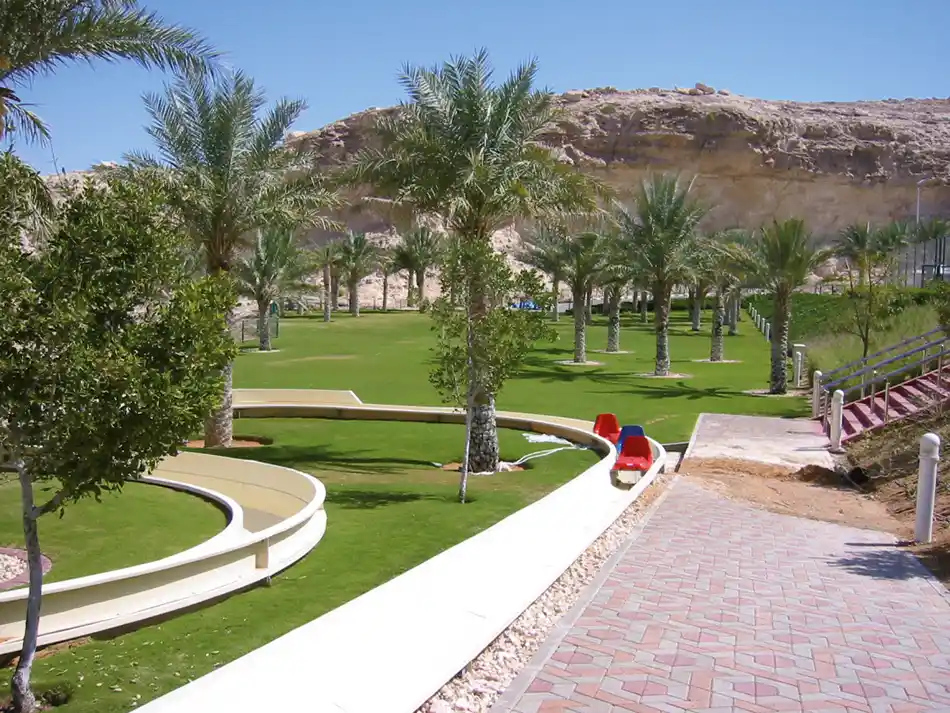
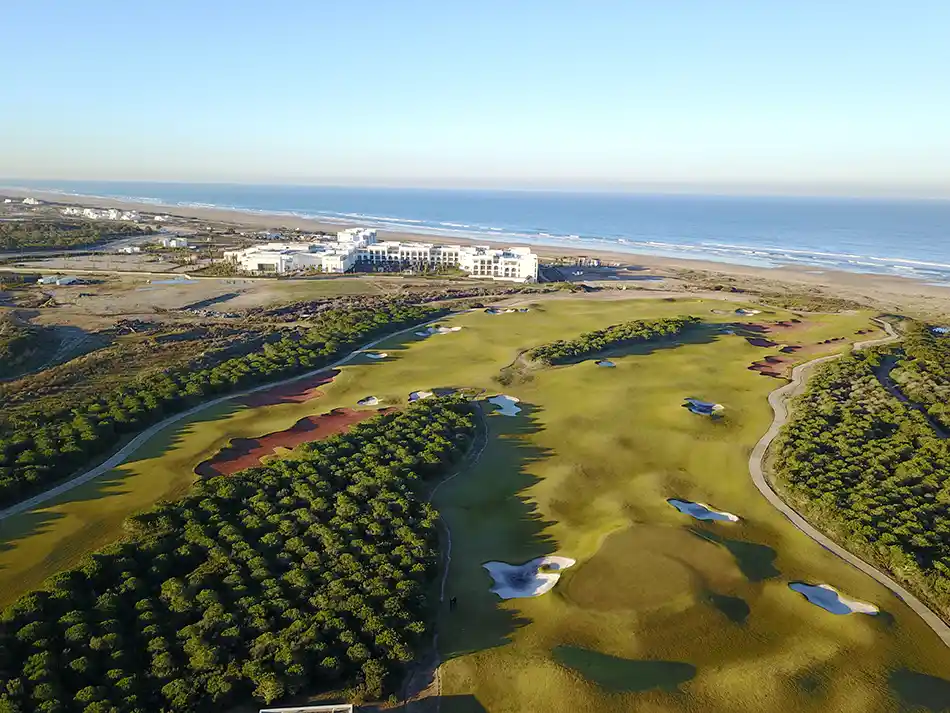
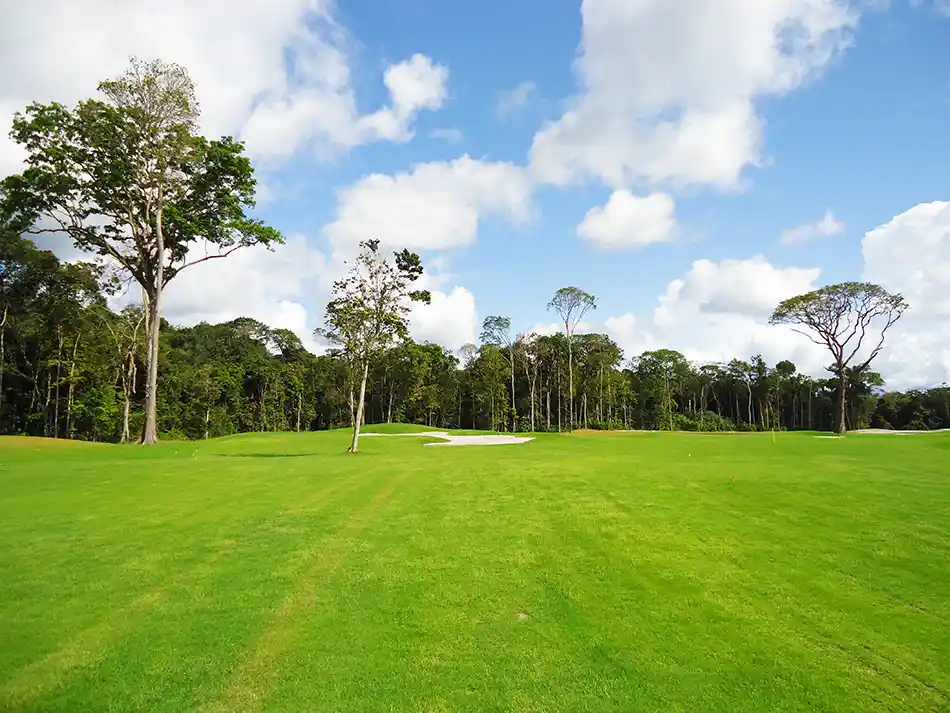
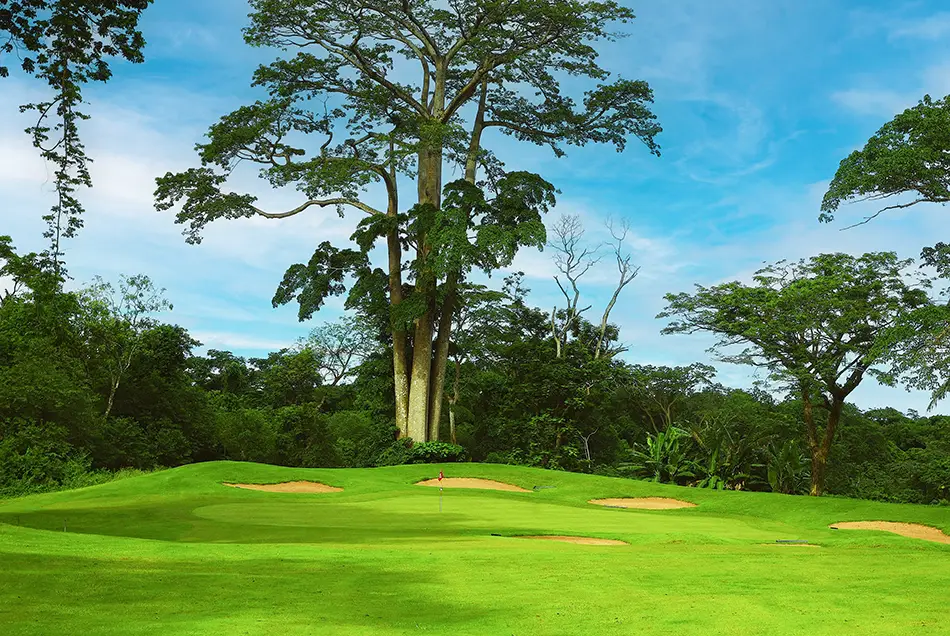
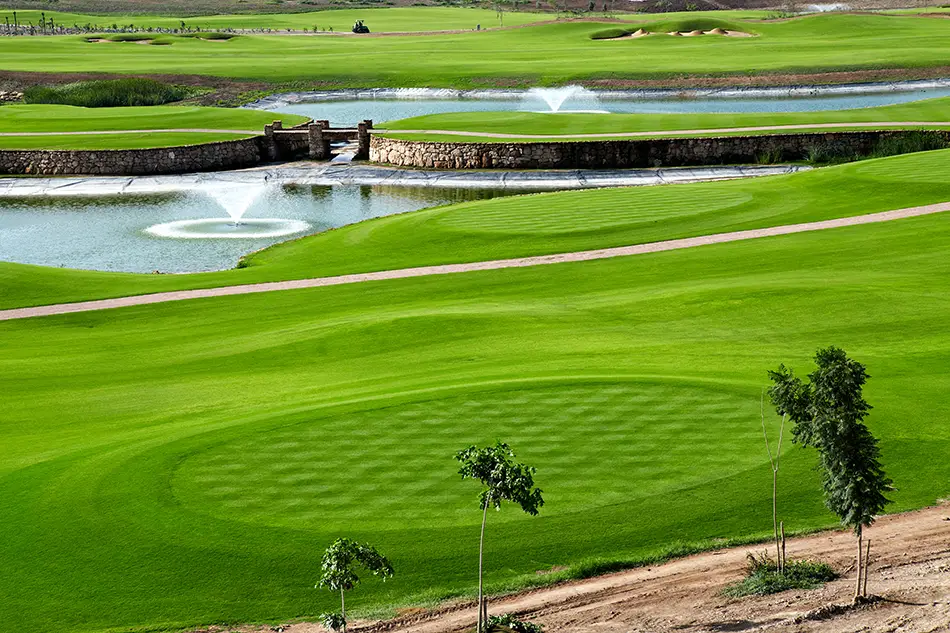
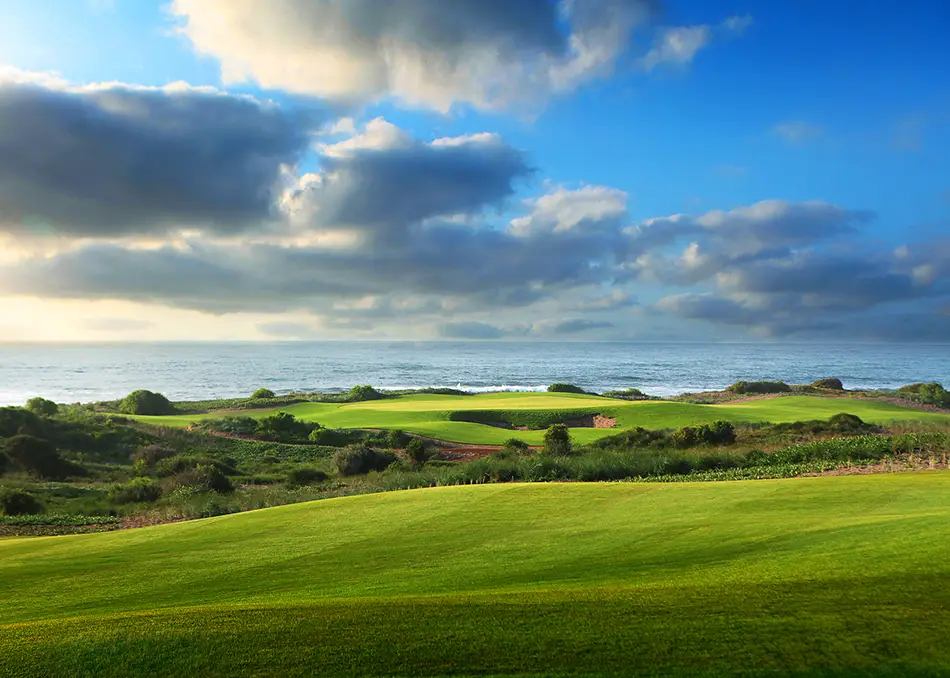
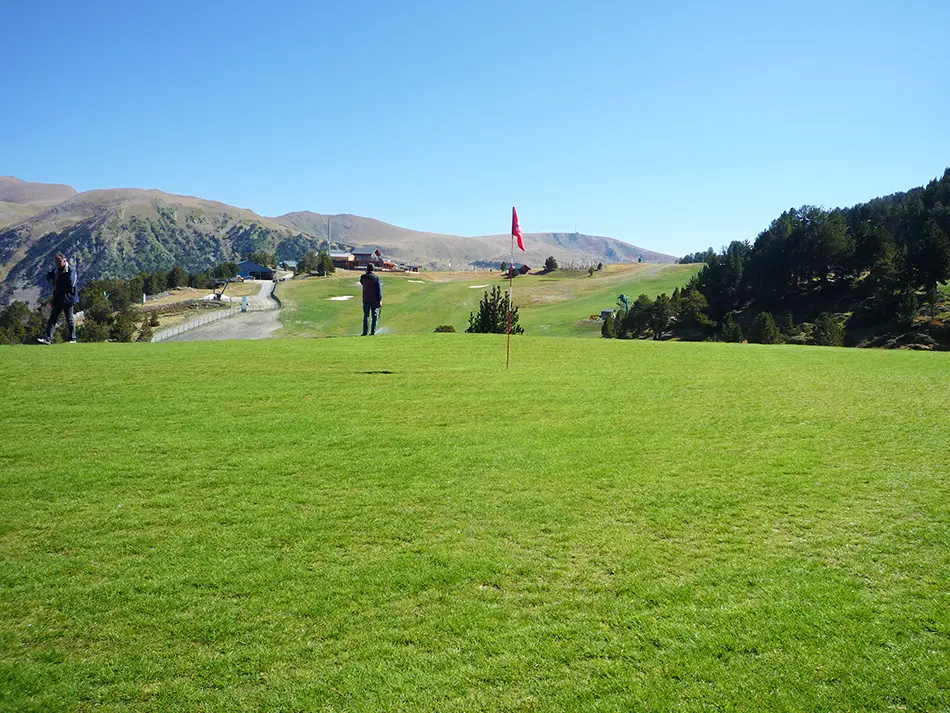
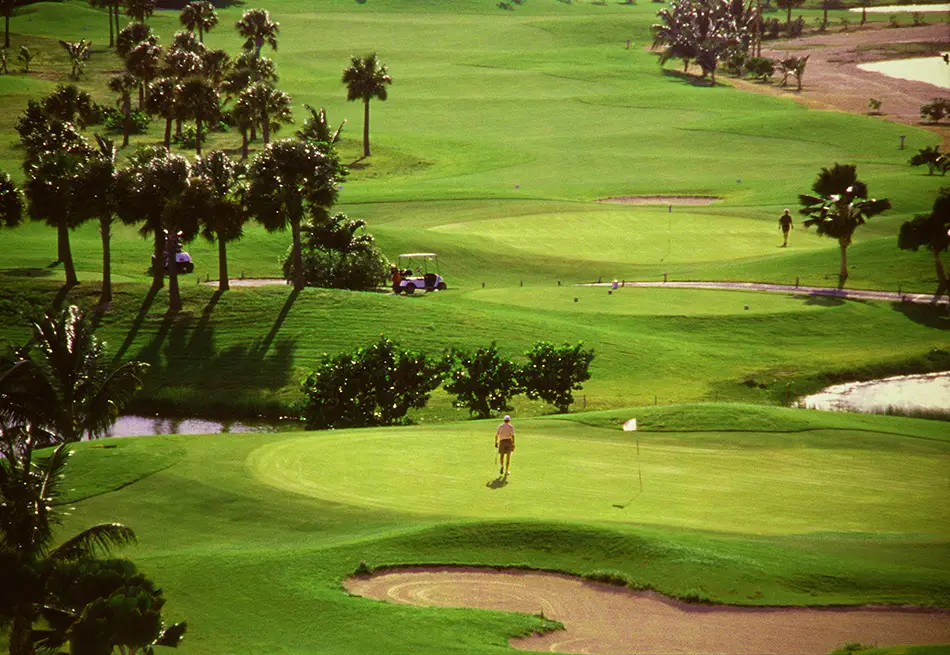
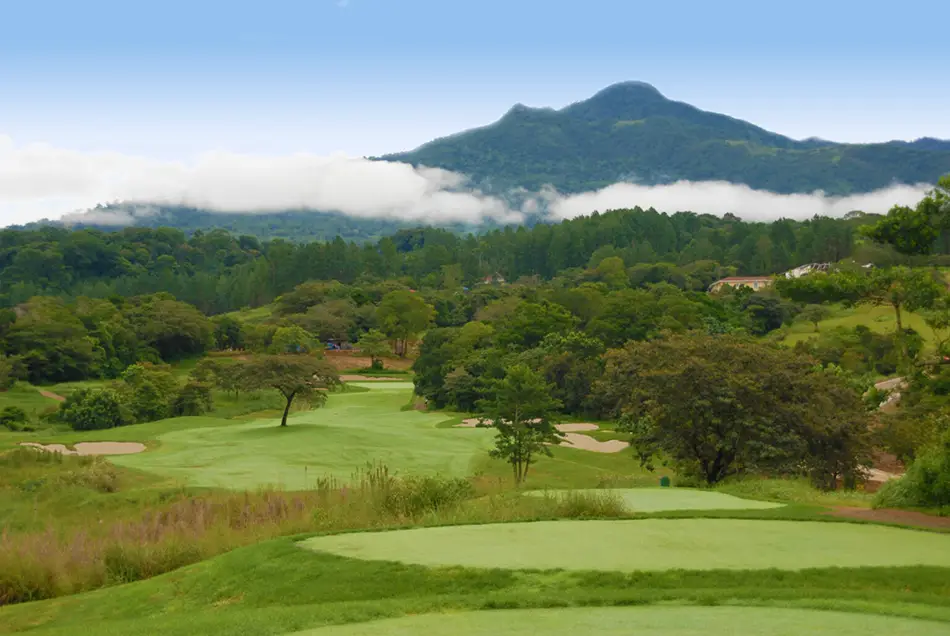
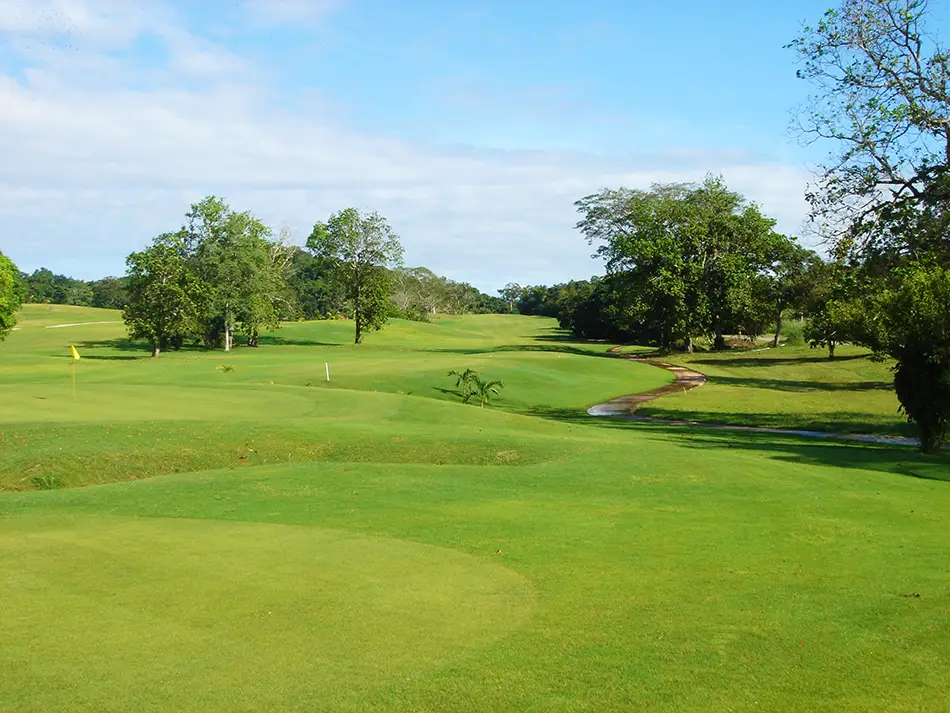
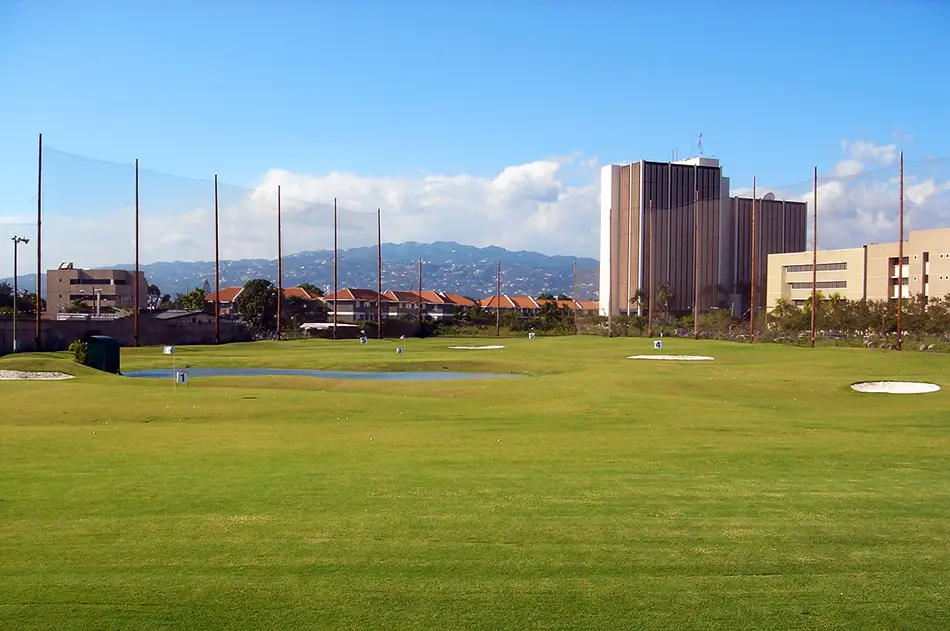
How to build a golf course?
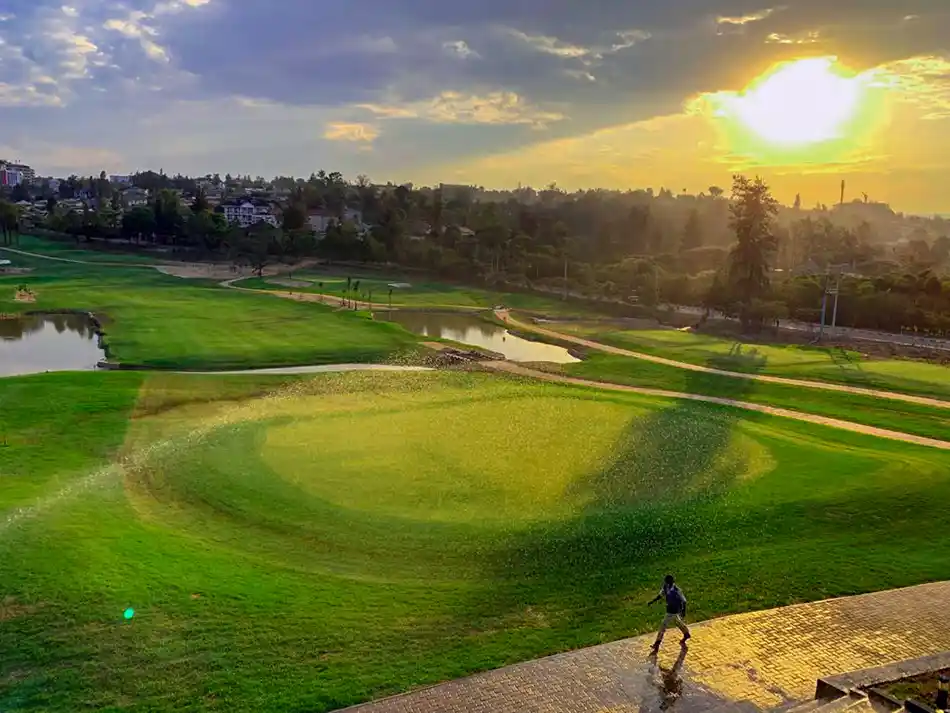
A golf course is above all an exceptional space, a harmony between landscape and performance. Each course bears its own architectural signature .
The objective: to combine aesthetics, playing pleasure and respect for the environment.
The design must integrate the natural relief, the local vegetation and the climatic conditions.
Depending on the type of project:
- Championship course : high sporting requirements, international standards.
- Golf resort : neat aesthetics and comfort for visitors
- Residential golf : integration into a sustainable real estate program.
- The design aims at playability, ease of maintenance and the durability of the site
What are the stages of construction of a golf course?
Each phase aims to create a sustainable course, playable all year round and adapted to the level of prestige sought. The main stages of a golf project:
- Preliminary studies : analysis of the site and design of the master plan by a golf course architect
- Modelling of the land : earthworks and shaping of fairways, greens, bunkers and water bodies according to the approved design
- Installation of technical networks : drainage, automated irrigation, water supply, roads and roads
- Substrate placement and sowing: selection of the right turf (Bermuda, Paspalum, Zoysia, etc.) according to the climate and planned maintenance.
- Landscaping finishes : planting, stabilization of embankments, environmental integration and ancillary facilities (clubhouse, driving range, maintenance)
How much does it cost to build a golf course?
The cost of building a golf course depends on many parameters: the surface area of the site, the complexity of the design, the number of holes (9, 18 or 27), the quality of the finishes, as well as the technical equipment (drainage, irrigation, clubhouse, roads, driving range, maintenance).
- For a basic 9-hole course, typical budget: a budget ranging from 1.5 million to 3 million USD
- For a "standard" 18-hole course, typical budget: a budget ranging from 5 million to 10 million USD, but often more depending on configuration/terrain
For a high-end/competitive 18-hole course, with luxurious infrastructure, heavy earthworks, sophisticated irrigation: up to $30 million USD or more
What types of turf for the construction of a golf course?
The choice of grass for a golf course depends on the climate, the use and the level of performance expected. Resistant and fine grasses are mainly used.
- Paspalum vaginatum (ex. Pure Dynasty) : idéal pour les climats tropicaux et côtiers, tolère le sel et l’irrigation à l’eau recyclée.
- Bermudagrass (Tifway 419, TifTuf, Tahoma 31): warm heat-resistant turf, widely used on fairways and tees.
- Zoysia japonica : dense and slow growth, excellent tolerance to drought and wear, perfect for high-end courses.
- Bentgrass (Agrostis stolonifera): preferred for greens in temperate or cool climates, for a very fine and rolling finish.
- Ryegrass or Fescue : Often used in overseeding to enhance color and density during cooler seasons.
What are the standards and regulations for the construction of a golf course?
The main reference frameworks:
- USGA (United States Golf Association) standards : they define the technical standards of the greens (drainage, substrates, grain size, layer thickness) and serve as a world reference.
- Environmental regulations : water management, protection of wetlands, reduction of chemical inputs and preservation of local biodiversity.
- Urban and administrative compliance : development permits, environmental impact studies, compliance with land use plans.
- Accessibility and safety : traffic lanes, signage, maintenance of technical areas and safety of players and staff.
How to maintain a golf course?
Maintaining a golf course is about maintaining the quality of play, the health of the turf and the aesthetics of the site throughout the year. This involves regular operations
- Mowing and growth regulation : frequency and height adjusted according to the areas (greens, fairways, roughs) to maintain optimal playability.
- Controlled irrigation : intelligent water management via automatic irrigation, humidity sensors and sub-irrigation.
- Aeration and decompaction : regular operations to oxygenate the soil, promote rooting and improve drainage.
- Rational fertilization and targeted treatments : maintaining the density and health of the lawn while limiting the use of inputs.
- Bunker and curb management : leveling, sanding and erosion control for a consistent presentation
Should you water a golf course?
Yes, watering a golf course is a must to maintain the quality of the turf, playability and durability of the course – here is a list of best practices for obtaining quality turf:
- Use of automated irrigation systems controlled by humidity sensors and weather stations
- Installation of sub-irrigation networks allowing deep and uniform hydration.
- Choice of drought-resistant lawns (Paspalum, Bermuda, Zoysia) to reduce the frequency of watering.
- Recovery and recycling of treated rainwater or wastewater, in a circular economy logic.