
Home | Plant engineering nursery
Nursery plant
engineering
As a builder of environmental solutions, we advocate large-scale greening.
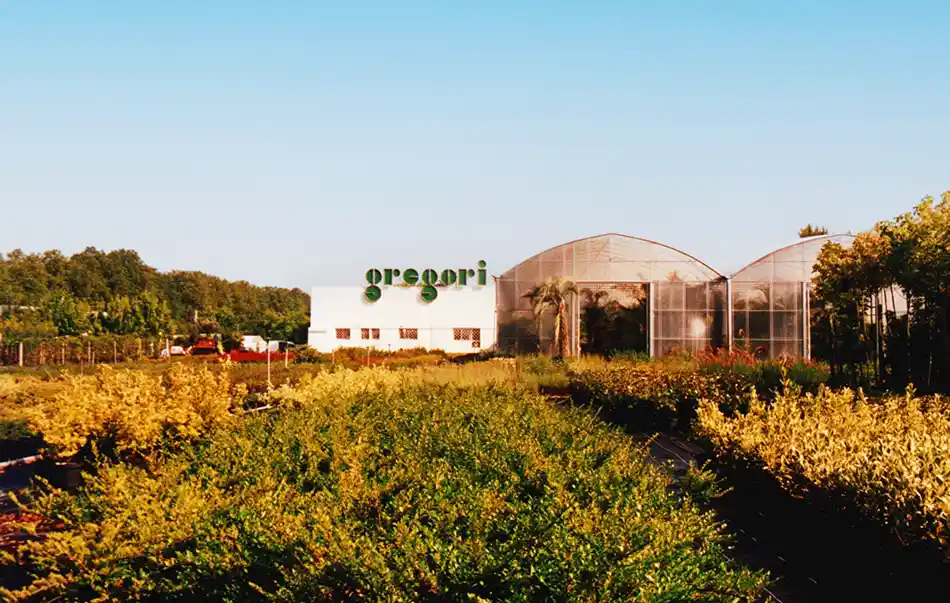
Since its foundation, Gregori International has specialised in the construction and operation of nurseries. With over 50 years’ expertise and in-depth knowledge of both plants and climates, the company is an experienced partner in the field of large-scale plant production.
Our services
for nurseries
Large-scale plant production
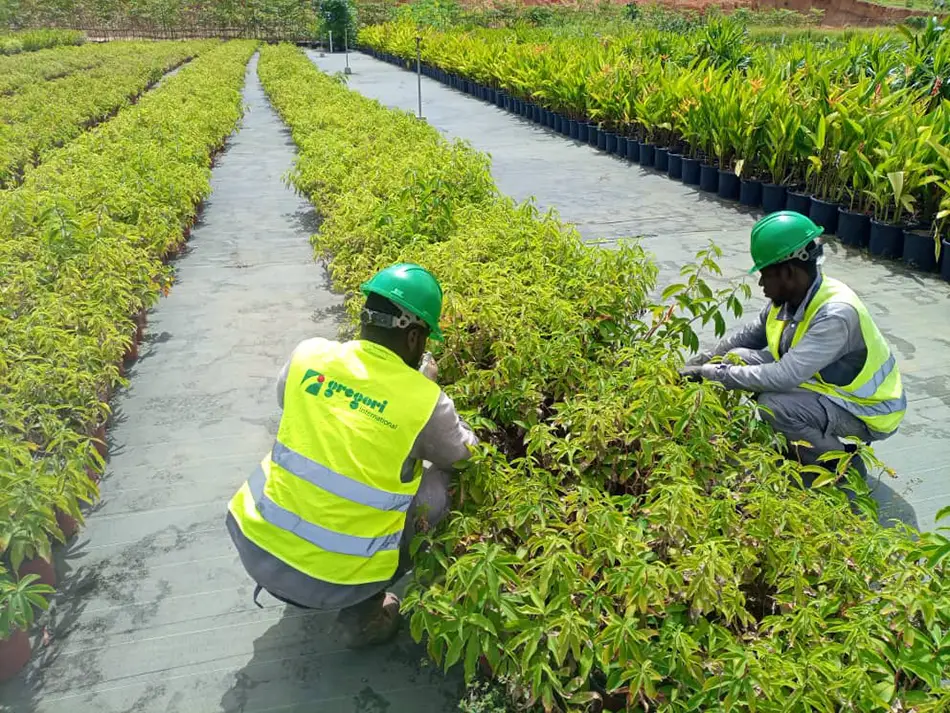
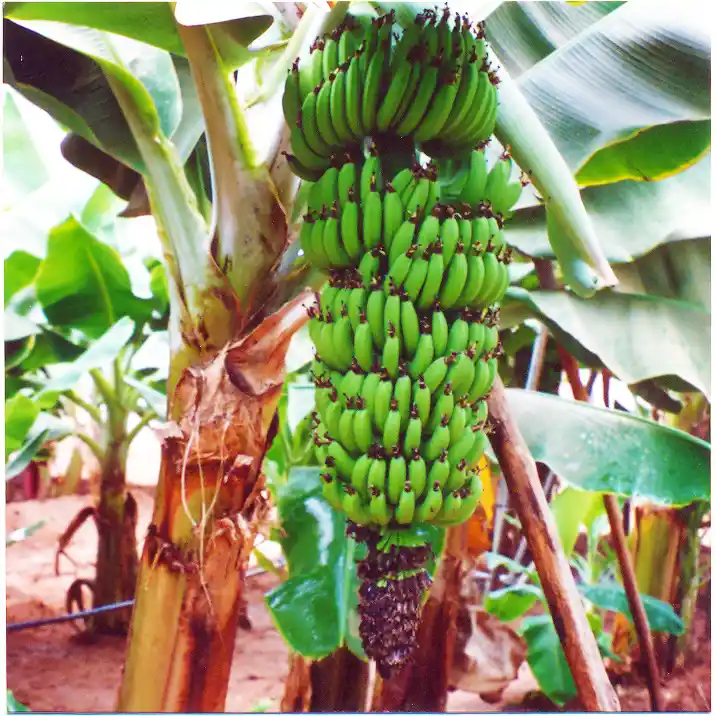
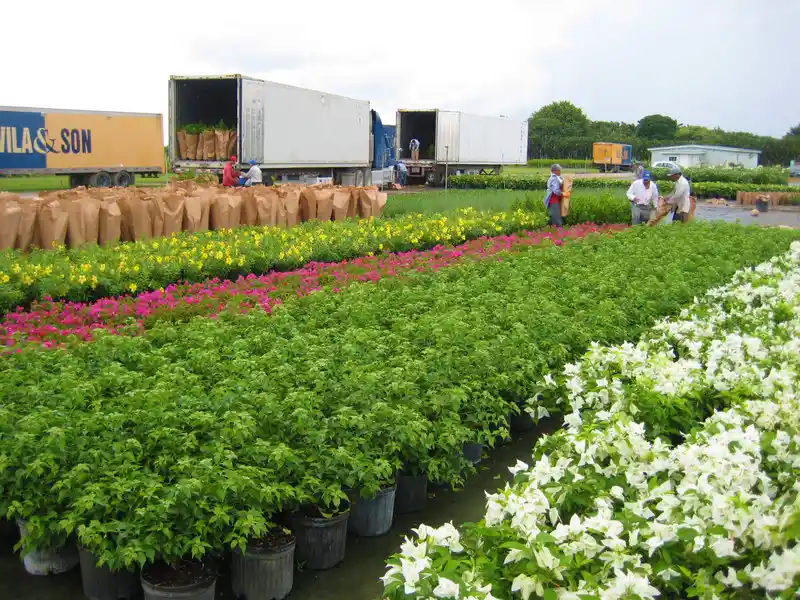
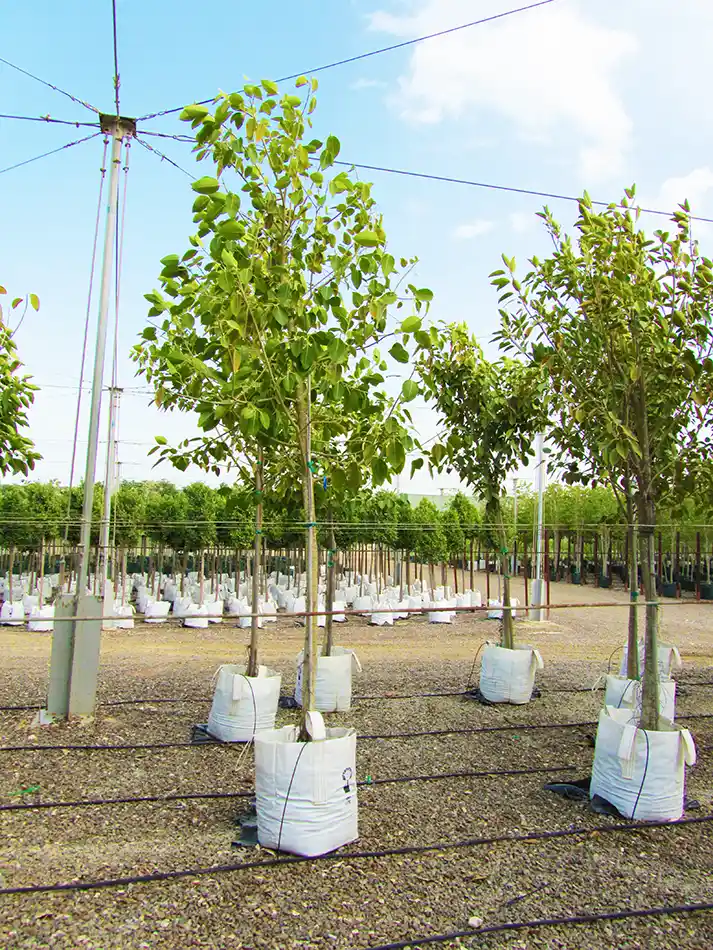
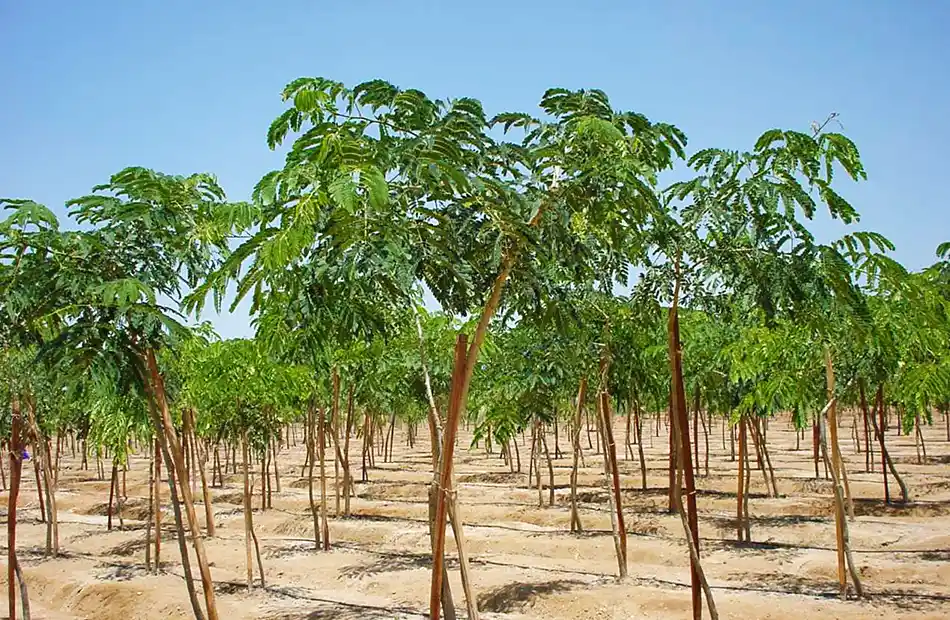
With projects spanning the globe, the company is expanding its activities in horticulture across a wide range of climates (Mediterranean, equatorial, continental, tropical, sub-Saharan, etc.), growing all kinds of plants: flowers, fruit, vegetables, trees, shrubs, lawns, etc.
Faced first and foremost with climate change, Gregori International draws on its multidisciplinary expertise to offer environmental solutions designed to safeguard the quality of the environment and protect biodiversity in the long term.
Setting up a project nursery is a strategic asset, as it ensures the availability of suitable plants right from the key stages of the project. It enables us to anticipate requirements, plan supplies more effectively and ensure consistent quality in planting. This approach therefore optimises timelines, costs and the overall success of the project, whether it be a sports ground, a golf course, a prestigious landscaping project or a rehabilitation.

This expertise enables our customers to reduce their procurement costs while minimizing the difficulties associated with importing plants.

technical and environmental challenges
Our expertise in managing the supply chain in terms of timing, quality, quantity and costs enables us to adopt a sustainable approach that minimises transport.
- Quick set-up at the beginning of the project
- Sizing to meet all the project's plant requirements
- Selection of the species best suited to the natural environment
- Continuous multiplication and production
- Supply and assembly of nursery structures and irrigation systems
Other projects
nurseries
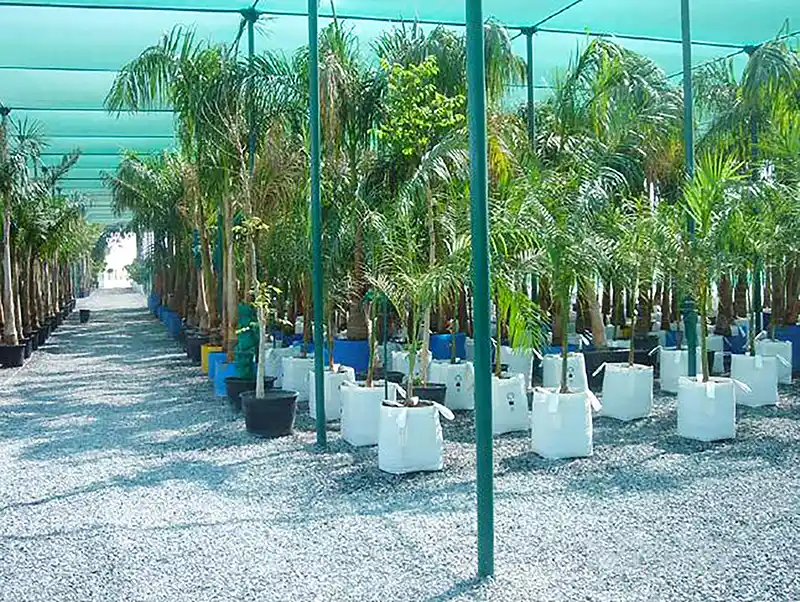
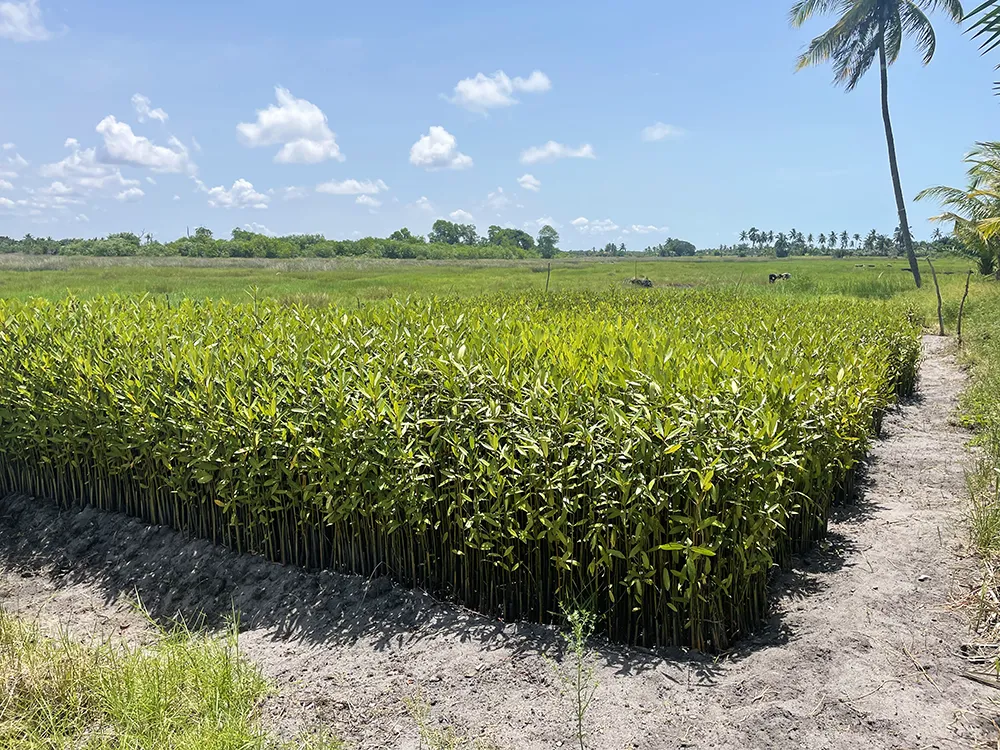
From the outset, Gregori International has specialized in the construction and operation of nurseries.
Over 50 years of know-how and knowledge of plants and climates make the company an experienced partner in large-scale plant production.
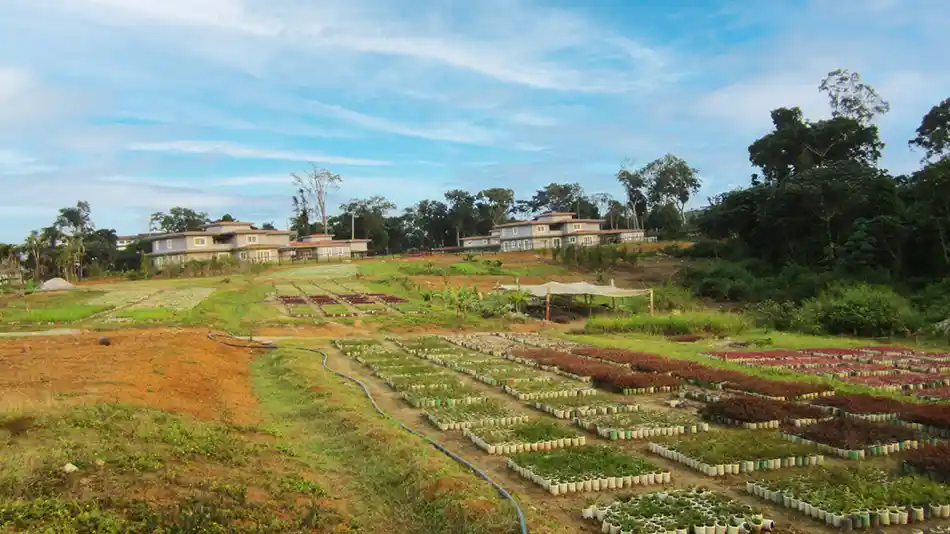
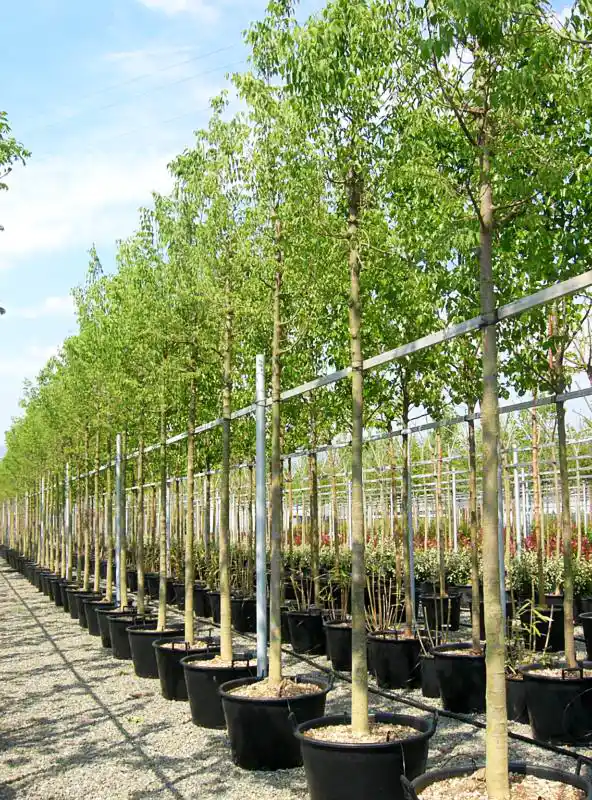
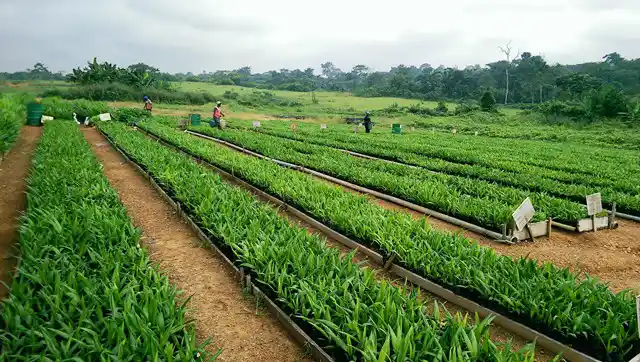
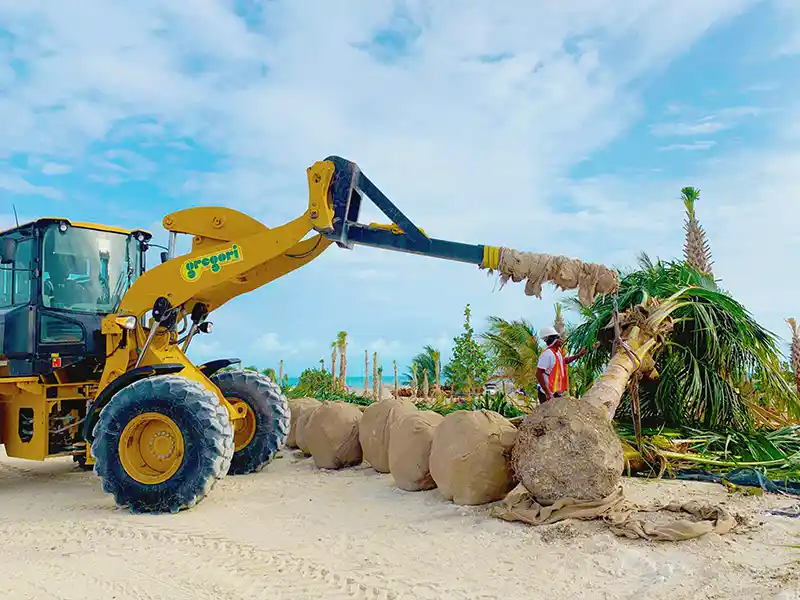
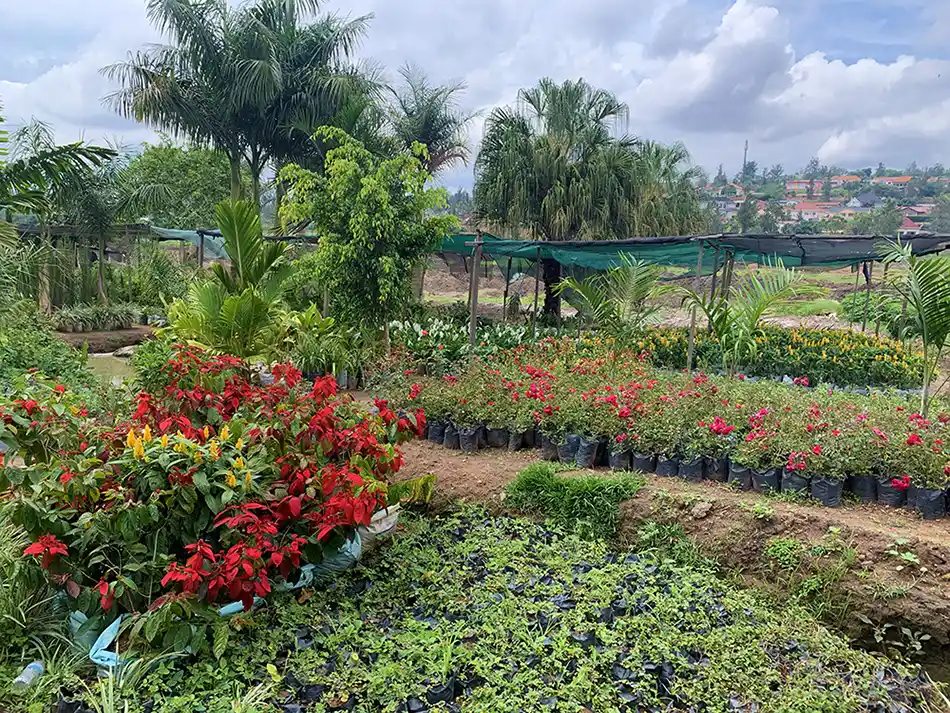
Why build a nursery?
In an environmental context marked by desertification, loss of soil fertility, and water conditions in tension, a nursery becomes a strategic tool to secure supply and improve plant quality. Here are the main advantages of a nursery:
- Local production of plants adapted to the climate and soil conditions.
- Reduction of import costs related to the transportation and purchase of plants abroad
- Complete control of the production chain, from germination to planting.
- Guarantee of quality and traceability of seedlings intended for landscape, forestry or reforestation projects.
- Enhancement of local species, which are more resistant and better integrated into their natural environment.
A well-designed nursery becomes a sustainable lever to support development or reforestation programs.
What are the essential elements of a nursery?
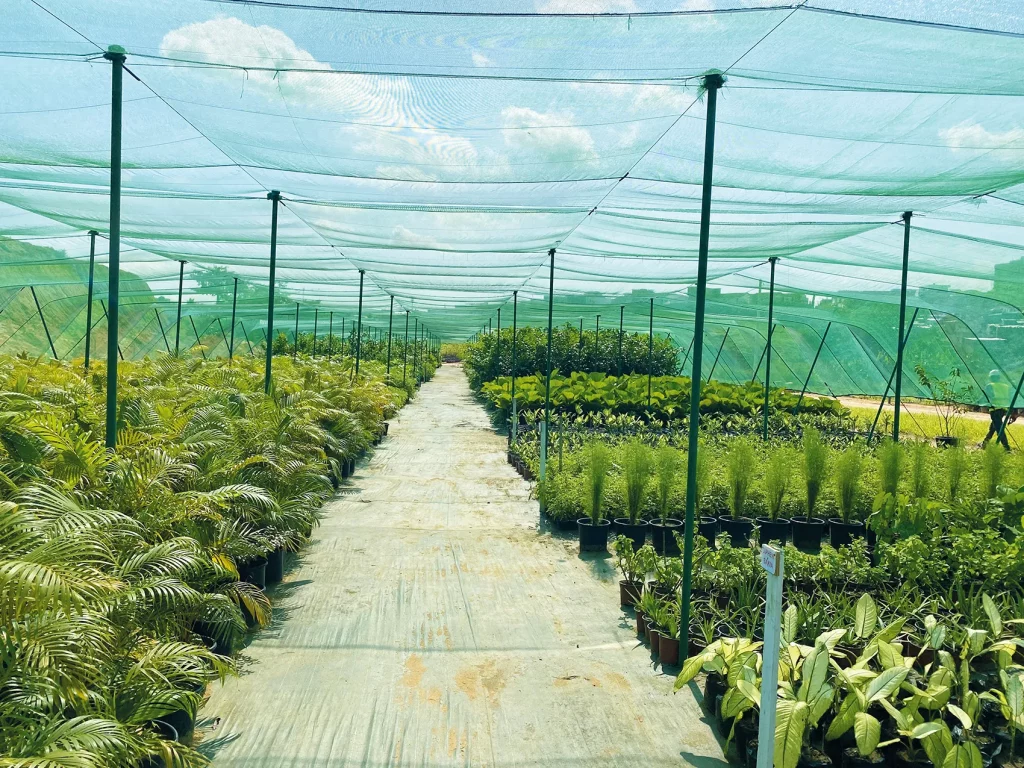
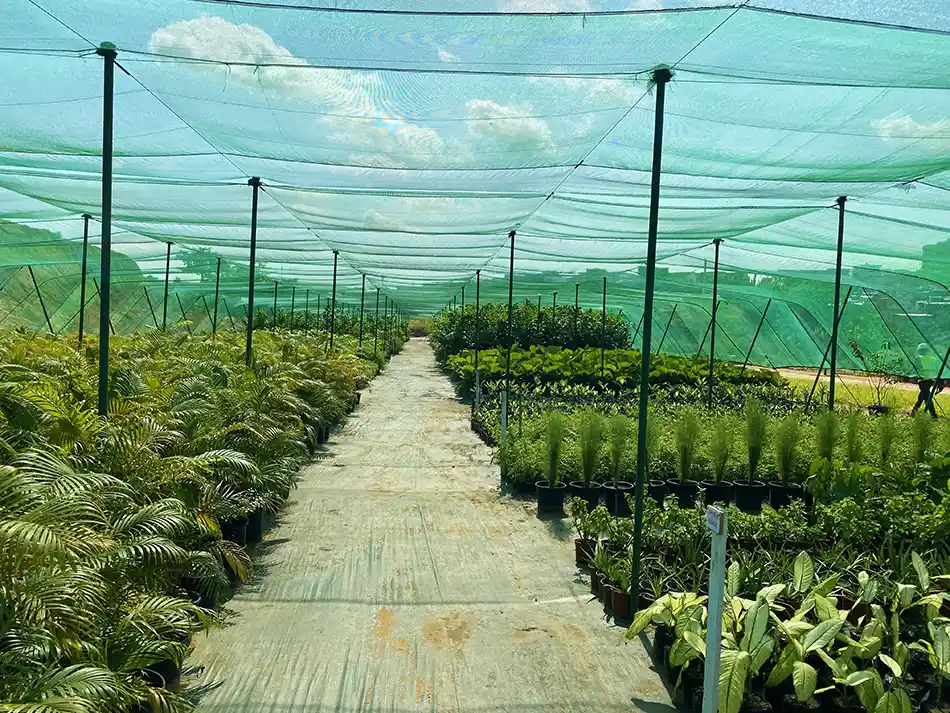
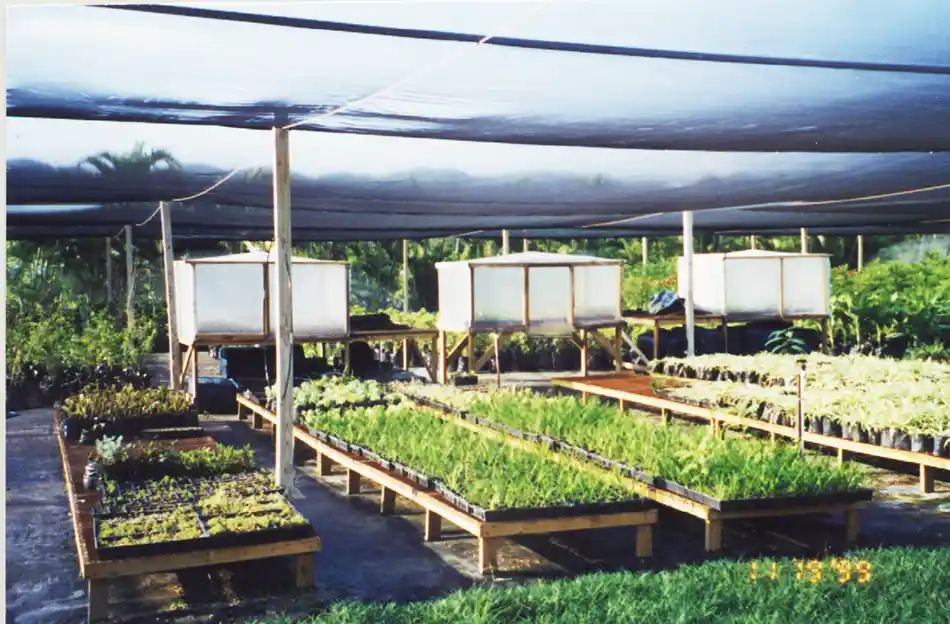
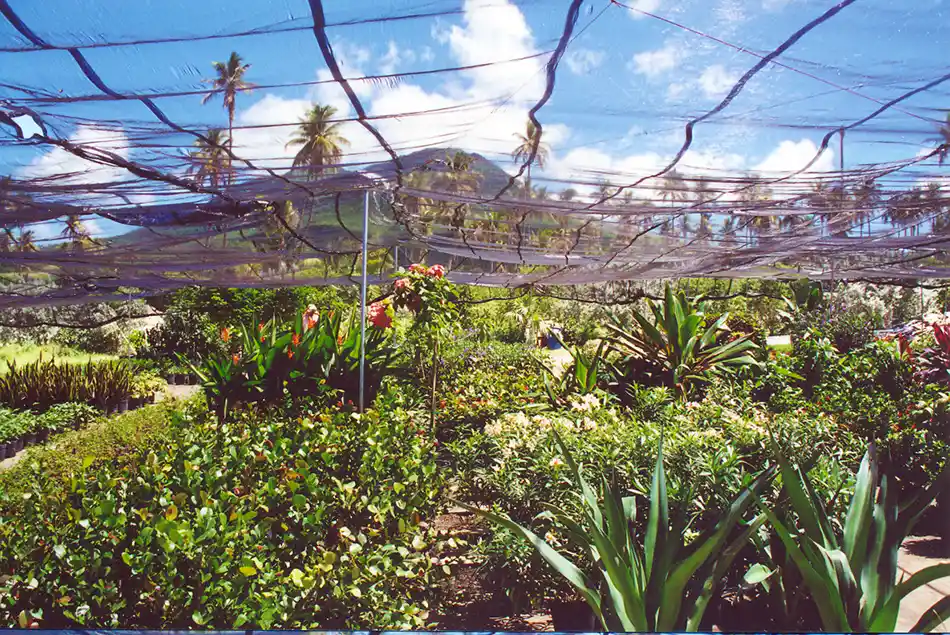
- Shade areas to protect young plants from direct sun.
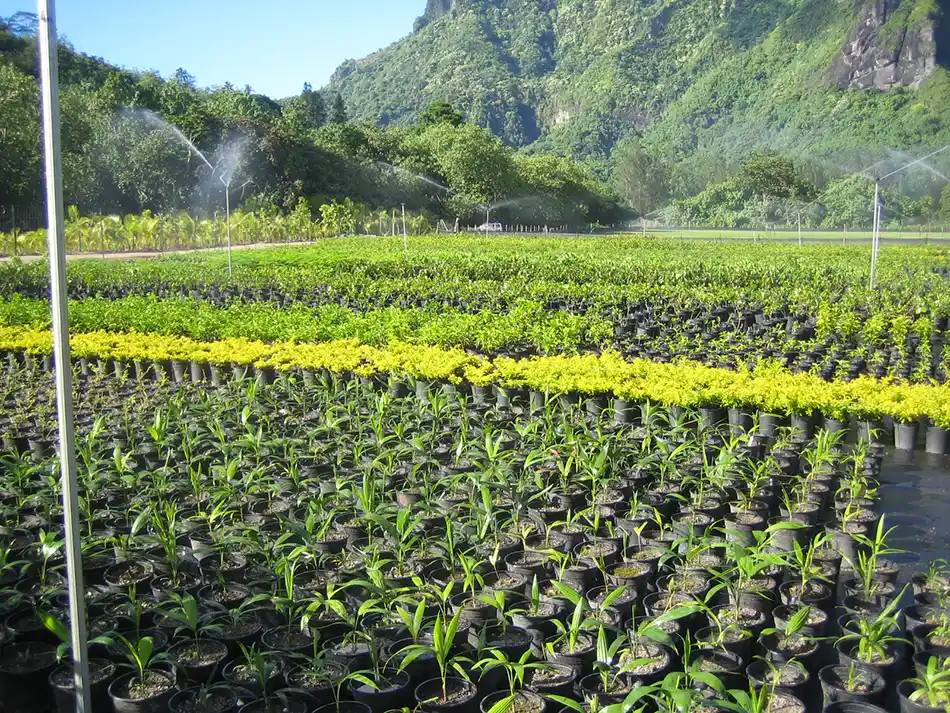
- Efficient irrigation system ensuring regular and homogeneous watering.
- Walkways for easy access and handling.
- Substrate preparation basins for mixing and moistening soils.
- Transplanting area and shelters for transplanting operations.
- Storage space for tools, fertilizers and containers.
With the right infrastructure, the nursery ensures a reliable yield and quality plants. These elements form the basis for sustainable and efficient production.
How much surface area should you plan for a nursery?
From 1,000 m² to several hectares depending on the targeted production: ornamental plants, trees, lawns or forest species. The surface area needed for a nursery depends on the volume of production, the type of plants and the infrastructure envisaged. The goal is to have enough space to separate the technical areas and ensure optimal growth.
What type of irrigation should be used in a nursery?
Drip irrigation ensures precise and regular watering of young plants, limiting water waste.
Micro-sprinkler is ideal for seedling, providing fine, even moisture over large areas
Programmed automatic watering ensures consistent inputs and optimizes water consumption, while reducing labor and the risk of water stress.
The choice of irrigation system in a nursery depends on the type of seedlings, production density and water saving objectives. It must ensure regular humidity while avoiding water stress or diseases
What are the standards to be respected?
Good drainage to avoid water stagnation and preserve the health of the plants
Accessibility facilitating the movement of personnel and vehicles.
Safety measures adapted to handling and irrigation operations
Rigorous management of effluents and phytosanitary products
Compliance with local standards for hygiene, safety and environmental protection
How much does it cost to build a nursery?
The cost of building a nursery varies according to the surface area, the infrastructure (irrigation, shading, greenhouse, storage) and the level of finishing. A clear budget from the outset makes it possible to frame investments and avoid abuses.
Depending on the equipment and location, the cost can vary from several dozen to several hundred euros per m². A realistic estimate, based on precise specifications, offers better financial control of the project.